
Is New Zealand Expensive? My Honest Take + Ways to Save in 2026
Is New Zealand expensive? If you’ve just priced up a rental car and a week of hotels, you probably already know the answer.
I’m from New Zealand and spent most of my life there, and our family holidays were spent in holiday parks because they were the affordable way to see the country.
The tricky part is that costs vary a lot, from city hotels to fuel to a simple doctor’s visit.
So here’s what things really cost in New Zealand, and the ways I’d save money without missing out.
Quick Answer: How Expensive Is New Zealand?
⭐⭐⭐ Biggest costs? Accommodation, eating out and fuel. Holiday parks and supermarket meals will save you a lot.
⭐⭐ Cheapest bed in Queenstown? The Queenstown Lakeview Holiday Park is a short walk from town and has cabins as well as campsites. Check prices & availability →
⭐ Cheapest way to get around? A rental car split between friends, especially if you book early. Compare rental car prices →
Understanding the New Zealand Dollar (NZD)

Let’s talk money.
New Zealand runs on the New Zealand Dollar (NZD), and understanding the exchange rate can make a real difference when it comes to your travel budget.
If you’re used to prices in the United States or the United Kingdom, be prepared for a bit of sticker shock, as New Zealand’s prices can feel high, especially in major cities.
But there’s good news: exchange rates are often in your favour if you’re coming from the right places.
Checking the rate before you go and planning out a rough daily budget can help you avoid overspending.
Also, if you want to save a little on fees, consider opening a bank account for longer stays or getting a travel card that doesn’t charge those annoying currency conversion fees.
My favourite travel card (and all-round international online bank) is Wise. I’ve used them for years and years and it’s truly helped me save money whilst travelling.
Since I live in Albania, and do not trust the banking system here, I use Wise from day to day too and have never had any major problems.
I’ve even exchanged and sent payments for things like cars and my apartment which can be tricky with overseas bank accounts but with Wise it was super easy.
You can open different currency pockets (NZD is included) and they have the best exchange rate on the market. Click here to check it out.
When it comes to using your money wisely, New Zealand’s mix of urban and rural areas means that you’ll find a range of prices, from the pricey city centres in larger cities to more budget-friendly options in small towns.
So, whether you’re staying in a mid-range restaurant or hitting up grocery stores in a smaller city, having a handle on the NZD will make navigating costs a lot easier, and give you more confidence to indulge in a few splurges along the way!
Accommodation Costs for Tourists
Accommodation in New Zealand can be as flexible as you need it to be.
You’ll find everything from luxury hotels with sweeping views of the ocean to budget-friendly private rooms in small towns that feel like a steal.
There are of course hostels, but just don’t expect the usual hostel prices because they can actually be pretty expensive.
The cost of living here means that even budget options might be pricier than you’re used to.
In major cities like Auckland or Wellington, accommodation tends to be on the expensive side, especially in the city centre.
A night in a nice hotel can add up fast, especially in larger cities during peak season.

But if you’re willing to venture out to smaller towns or try more unique stays like a cosy B&B or even a farm stay, you’ll find some real gems that are far easier on the wallet.
For those on a tight budget, hostels and shared accommodations are the best bet.
Backpacker hostels and holiday parks are all over the place, and many offer private rooms for a fraction of the price of a hotel.
Growing up as a kid we used to stay in holiday parks quite a lot during holidays and they were super nice but very affordable.
If you’re looking to cut costs even more, then check out the DOC campsites which are scattered around the country. You can even grab a campsite pass here from their website which will allow you to choose either a 30-day or 365 day pass to use their campsites.
The camping spots are usually between $5-$20 per adult and are set in some of the most beautiful scenery around the country. If you’re up for more of an adventure this can be a great way to see the country.
If you’re travelling with a group, renting a place for a week might even be cheaper than multiple hotel rooms.
The best deals usually come with a bit of flexibility, so consider booking ahead or staying outside of bigger cities if you can.
Where I’d Stay on a Budget in New Zealand
(⭐⭐⭐ = my top pick)
⭐⭐⭐ Queenstown Lakeview Holiday Park: Pick this one if you want holiday park prices in Queenstown. It’s a short walk from town, with cabins and units as well as campsites. Check prices & availability →
⭐⭐ ibis Budget Auckland Airport: Pick this one if you’ve got an early flight. It’s simple and cheap, with thousands of reviews on Booking, and close to the airport. Check prices & availability →
⭐ mi-pad Queenstown: Pick this one if you want something a little different. It’s a compact “smart hotel” right in central Queenstown, with private rooms for less than most hotels in town. Check prices & availability →
Food and Dining Costs In New Zealand
Food in New Zealand can be a bit of a mixed bag when it comes to cost.
Food prices might make you do a double-take if you’re used to cheap eats in other countries, but there are definitely ways to keep it affordable if you’re smart about it.
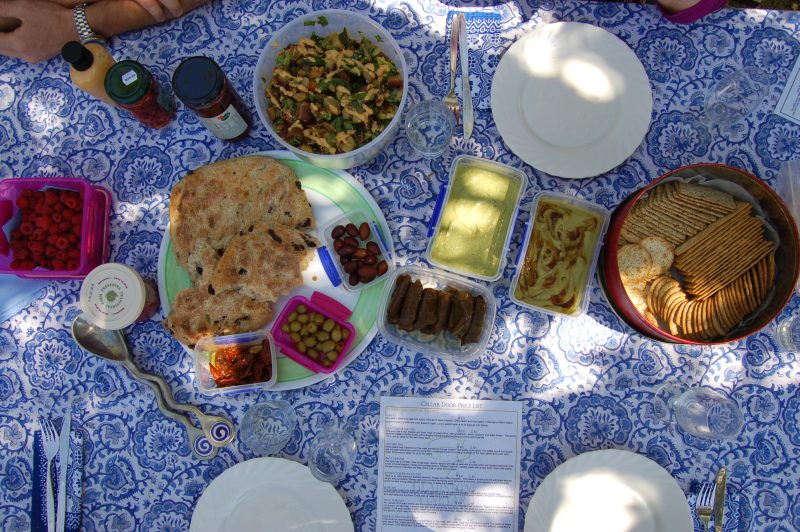
Eating out in larger cities can feel like a treat-yourself moment, with plenty of mid-range restaurants and trendy cafes that serve everything from classic fish and chips to world-class coffee.
However, a meal out in major city spots can easily set you back more than you’d expect, especially if you’re in the habit of adding a drink or two (the good news is you don’t need to add a tip).
For a cheaper option, food courts in malls or city centre food trucks offer plenty of quick, tasty choices without the hefty bill.
If you’re looking to save, grocery stores like Woolworths or Pak’nSave are your best friends.
Usually, Pak’nSave does meal deals so for $10 you’ll get a selection of whatever the deal is that day but this can depend on which day of the week and what’s available.
If you visit the supermarkets at the end of the day, quite often they will have a reduced to clear section where you can pick up things that need to be cooked and eaten asap before they expire.
Stocking up on essentials and packing a few meals yourself can save you a lot, especially if you’re on the move.
The average cost of basics like bread, milk, and produce might still be higher than what you’re used to, but it’s a good idea to visit local markets where you can grab fresh, local produce, and meet a few friendly New Zealanders while you’re at it!
Markets are usually put on on the weekend (usually Sunday) and you’ll find good deals on fruit and vegetables.
If you’re after meat, then visit butchers like The Mad Butcher because they will have specials on meat and meat packs that you can buy. And it has good quality meat products too!
So, whether you’re planning a splurge at a luxury hotel restaurant or cooking on a budget, knowing your options for food can really help keep your daily spending in check.
Plus, it gives you the freedom to sample the best of Kiwi flavours without worrying too much about the bill!
Getting Around: Transportation Costs
Getting around New Zealand is an adventure in itself, but it does come at a price. Transportation costs can vary wildly depending on how you choose to travel, so let’s break it down.
Travelling by flight
If you’re planning to hop between cities, domestic flights with Air New Zealand are usually the fastest way, but they can eat into your budget, especially if you’re booking last minute.
Keep an eye out for best deals by booking in advance, and you’ll sometimes find a cheap hour flight between major cities like Auckland, Wellington, or Christchurch. But fair warning: these prices spike during peak travel seasons.
The best website to do this is Grabaseat. They have super cheap fares randomly.
Travelling by car

For those wanting to explore the scenic routes, renting a car is the way to go.
Rental costs can vary depending on where you pick up the car and what type you need, but it’s often the most flexible (and let’s be real, the most scenic) way to explore the South Island or the North Island at your own pace.
Just remember that fuel isn’t cheap here, so factor that into your budget if you’re planning a road trip.
Travelling by public transport
In larger cities, public transportation is reliable and affordable, with buses and trains connecting most of the main spots.
Buses are particularly popular, and you’ll find them connecting smaller cities and smaller towns too.
If you’re staying in a major city for a few days, getting a local travel card can save you a little bit on fares and make things more convenient.
The FlexiPass is a bus pass you can consider getting if you’re going to be travelling a lot around the country.
No matter how you choose to travel, there’s an option to suit your style and budget. Just keep an eye on those transportation costs so you can focus on enjoying the journey rather than worrying about the fares!
Activities and Sightseeing Costs in New Zealand
One of the best things about New Zealand is that so many of the most stunning sights are absolutely free.
Visiting the national parks, beaches and hiking trails is one of my favourite things to do when I’m back home.
Nature here doesn’t come with a price tag, and it’s often the highlight when travelling New Zealand because it’s just so damn beautiful.

But if you’re after a bit more adventure, there are definitely costs to keep in mind.
For the thrill-seekers, New Zealand is famous for adventure sports like bungee jumping, skydiving, and glacier hikes, but these experiences don’t come cheap.
Each of these activities can set you back a few hundred dollars, so if they’re on your list, it’s a good idea to budget accordingly.
In bigger cities like Auckland and Queenstown, you’ll find city passes and combo tickets for popular attractions, which can save you a bit if you’re planning on hitting multiple spots.
Meanwhile, smaller towns often have local museums or historic sites with very low entrance fees, sometimes even by donation.
If you’re looking to experience local culture, these are well worth a visit without draining your wallet.
The good news is that whether you’re splurging on an adrenaline rush or just soaking up the natural beauty, there’s a way to tailor activities to suit your tight budget.
For example, if you’re visiting Rotorua and want to see mud pools, there are free ones scattered in local parks and on the road to the more famous attractions like Wai-O-Tapu.
After all, with scenery this stunning, sometimes the best experiences are the ones that cost you nothing at all.
3 Experiences Worth Paying For in New Zealand
♨️ Wai-O-Tapu Geothermal Park Entry Ticket: Pick this one if you want Rotorua’s most colourful thermal pools without paying for a full tour. Check availability →
⛴️ Waiheke Island Return Fast Ferry: Pick this one if you want a cheaper Waiheke day. Take the ferry and explore the beaches yourself instead of booking a full winery tour. Check availability →
✨ Waitomo Glowworm Caves: Pick this one if you want to see glowworms without spending a fortune. It’s one of the more affordable glowworm experiences in the country. Check availability →
Public Healthcare System for Visitors
Health is something we all hope to ignore on holiday, but it’s always better to be prepared.
New Zealand’s public healthcare system is fantastic for residents, but unfortunately, it doesn’t offer free services to tourists.
This means if you need medical attention during your stay, you’ll likely face out-of-pocket expenses, which can add up fast.
A simple doctor’s visit, if you’re not registered with that practice, can cost NZ$100 to $200, and it’s usually just a 15-minute appointment.
Make sure you have travel insurance so that you can get reimbursed though!
It’ll cover unexpected medical costs, from a quick pharmacy run to an emergency visit.
Many visitors from places like the United Kingdom or United States may already have health cover as part of their travel insurance, but double-checking your policy before you go is a good idea.
For minor health needs, local pharmacies are easy to find in major cities and even smaller towns.
They can handle basic health concerns, and it’s usually quite affordable.
But if you find yourself needing more serious care, knowing you have travel insurance to cover a little bit of the cost can make all the difference.
New Zealand’s healthcare is high quality, so while you’ll be in good hands, planning for the “what if” moments is always smart.
A simple travel insurance policy might be all you need to enjoy peace of mind while exploring this beautiful country.
My Number One Tip: Hire a Car for Full Flexibility
If you’re travelling with friends, a rental car is often the cheapest way to see New Zealand once you split the cost, and it gets you to all the free walks and beaches.
Check here for the best car rental companies and prices for your New Zealand trip →
Budgeting Tips for Travelling in New Zealand
Let’s face it, a trip to New Zealand can be pricey, but with a few smart moves, you can stretch your dollars without sacrificing the experience.

To cut down accommodation costs:
👉 Book in advance
👉 Keep an eye out for deals on travel apps or consider alternative options like holiday parks, where you can often score a private room at a fraction of the cost of a hotel.
👉 Staying outside the city centre in larger cities can also save you a fair bit, and might even give you a more authentic Kiwi experience in a smaller city or small town.
To cut down food costs:
👉 Look for mid-range restaurants that offer hearty meals without the luxury price tag, or try food courts and food trucks, which can be a lifesaver for budget travellers.
👉 And if you’re a coffee lover, grab a local brew from a coffee cart truck or local café. The coffee culture here is fantastic, and you’ll find great quality at reasonable prices. Usually, the ones outside the city are better priced.
👉 Turkish fast food and Chinese is quite popular and pretty inexpensive so if you’re looking for something hearty but still affordable check out that cuisine.
👉 Visit local bakeries for delicious food at a fraction of the cost. You can get anything from sandwiches, mince pies and sweet bakery items too.
👉 Visit the supermarket and bakeries later in the day where you might get reduced to clear or must-go food at a fraction of the price.
To cut down sightseeing costs:
👉 Don’t be shy about exploring the free attractions New Zealand has in spades, like its incredible national parks and beaches.
👉 For paid attractions, check if there are any bundle deals, and always ask about discounts. Sometimes they’re available for students or visitors staying for a week or more.
👉 Make sure you check out websites like GrabOne and LoveCoupons for one-off deals and special offers.
To cut down on transportation costs:
👉 Consider getting a bus pass or rental car instead of relying on pricier domestic flights.
👉 Book a rental car in advance and look out for deals. You can compare quotes on DiscoverCars.
👉 If you’ve got a rental car, make sure you save your receipts from the supermarkets! If you spend over a certain amount, you get petrol discount vouchers that can help you save.
👉 Use the Gaspy app to see where the cheapest fuel is and fill up there.

So, is New Zealand expensive? Yes, but with a little planning, you can explore this incredible country on almost any budget.
By mixing affordable options like private rooms and local grocery stores with splurges on luxury hotels or unforgettable activities, you can tailor your experience to fit your finances.
New Zealand’s cost of living can feel high, especially in major cities, but the experiences you’ll have here (from wild coastlines to bustling city centres) are well worth every dollar.
Whether you’re planning a week trip or a longer stay, using public transportation, exploring national parks, and keeping an eye out for best deals and using the tips I outlined above will help you stretch your budget.
And with so many free or affordable things to do, you’ll find a balance between cost and adventure that fits.
At the end of the day, it’s all about choosing what’s important to you.
For most visitors, the scenic wonders and unique Kiwi culture make New Zealand’s average costs a fair trade.
Happy travels, and Kia Ora from Aotearoa!


